
“Let Him Go!”: Ukraine’s Women and the Resistance to Forced Mobilization
As I have written before, women have increasingly found themselves on the front line of resistance to Ukraine’s coercive mobilization practices — a phenomenon Ukrainians have bitterly nicknamed busification.
Many of the women who confront draft officers are exactly who you would expect them to be: the wives, girlfriends, mothers, sisters, and grandmothers of the men being detained.
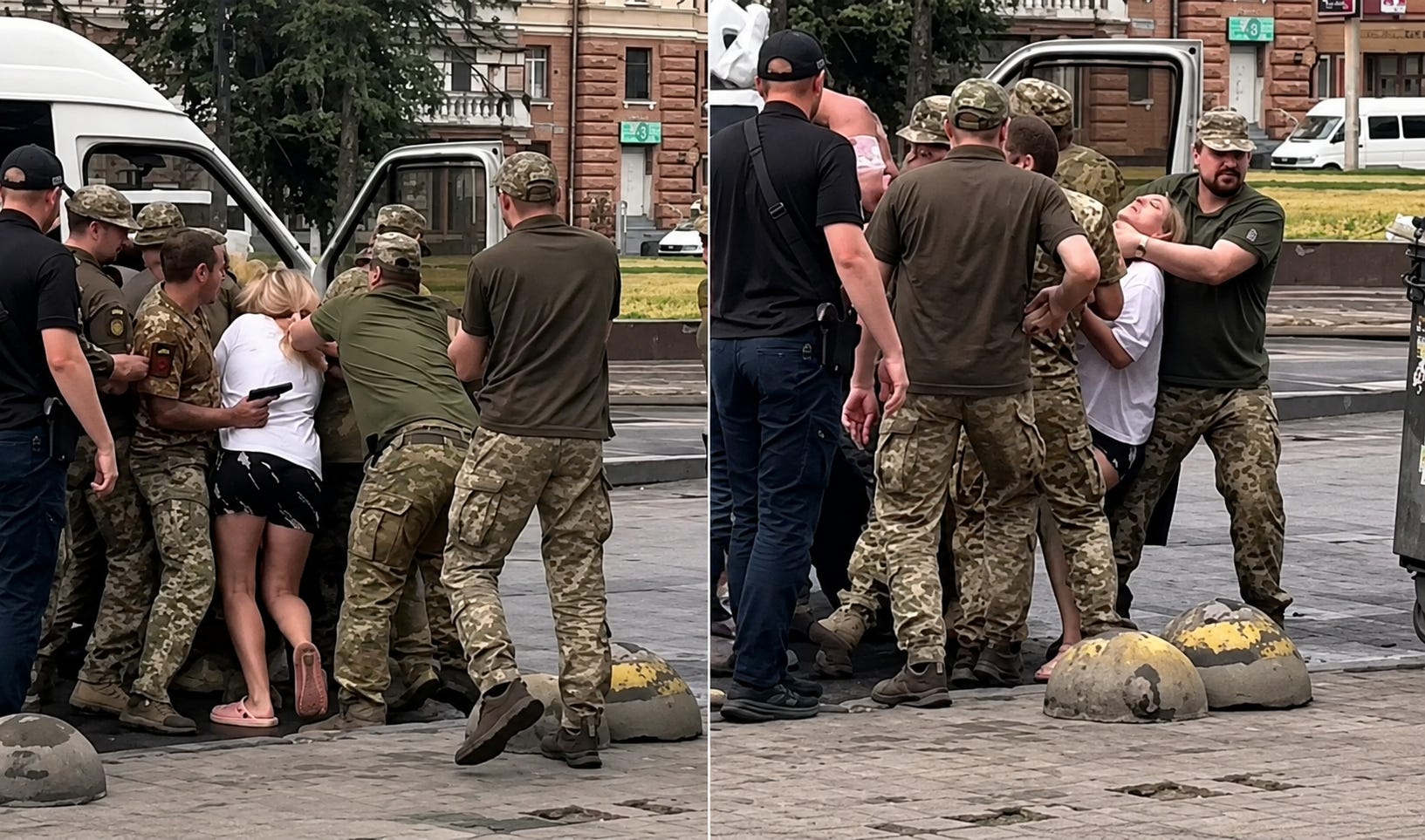
Draft officers in Kryvyi Rih attack a woman who is trying to save her husband from forced mobilization.
Their motives require little explanation. They do not want to lose the people they love. They fear for their husbands, sons, and brothers. They fear becoming widows. They fear their children growing up without fathers. They fear the knock on the door, the phone call, the silence.
"May you be damned!" a woman screams in despair from the ground as her husband is forcibly dragged away for mobilization and sent to the front against his will. Odesa.
But there is another group of women whose presence is far more revealing.
They are defending men they do not know. They have never met them. They do not know their names. They may never see them again. They simply happen to be there when recruitment officers and police seize a man on the street and try to force him into a vehicle. Or they hear a man screaming for help. Or they hear other women shouting for strangers to come and help them prevent yet another man from being taken away.
And they intervene.
Why? Why risk being shoved, beaten, or pepper-sprayed? Why risk detention? Why expose themselves to possible criminal prosecution for obstructing military recruitment? Why put your own body between the state and a complete stranger?
The answer tells us something important about what years of war do to a society — and, perhaps even more importantly, what they fail to destroy.
The War Mothers
There is no single motive behind this resistance.
For some women, every man who pulls back from recruitment officers is an act of political protest against a mobilization system they regard as profoundly unjust — one whose human burden, they believe, falls disproportionately on those with the least money, influence, and ability to protect themselves: workers, villagers, and the socially vulnerable.
For others, resistance to mobilization has become a substitute for political voice. In a country where wartime elections are suspended, physically preventing a man from being taken away can become its own primitive ballot: a direct, furious vote of no confidence.
Still others see their actions as part of a broader rejection of endless war. Every new recruit, in their eyes, is another human body fed into a machine that survives by demanding more bodies.
But politics explains only part of it.
There is another motive — quieter, more intimate and far more difficult to dismiss. Grief.
Some of the women defending strangers have already lost their own men to this war. Their sons. Their husbands. Their brothers. Others have sons fighting now, sons wounded, sons missing, sons in captivity. These women do not experience war as an abstraction.
They do not know it primarily through maps, communiqués, patriotic slogans or television speeches. They know war through insomnia. Through staring at a phone in the middle of the night. Through waiting for one familiar voice to say the only words that matter: “I’m alive. I’m okay.”
And some of them will never hear that voice again. No medal will bring it back. No military award will fill the empty chair. No patriotic speech will put a son back into his mother’s arms. Perhaps that is why, when these women see somebody else’s son being dragged away, something inside them rebels.
In Lviv, one woman was filmed confronting recruitment officers and police as they tried to put a young man into a vehicle: “You took my brother — and he died! Aren’t you ashamed? Let the boy go! Let him go!”
The words are devastating precisely because they collapse the distance between one family’s tragedy and another family’s possible future.
You took mine. I know what came next. I will not quietly watch you take hers.
Elsewhere, the same instinct surfaces again and again.
“Let the kid go! My son is on the front line, and you’re doing this here!” a woman shouts while trying to protect a young man from being taken away in Kyiv.
In Dnipro, another woman screams at recruitment officers:
“You’ve already taken my son!”
These are not the carefully polished slogans of an organized political movement. They are more elemental than that. They are the language of women who have learned what war costs in the most personal currency imaginable.
Someone Else’s Son
Something particularly powerful happens when the detained man looks very young. The political disappears for a moment. The stranger becomes a boy. And the woman watching him becomes, instinctively, a mother. Not his mother. A Mother. That distinction matters. Because this is where private grief mutates into solidarity.
A woman who has spent nights terrified for her own son recognizes another mother who may soon begin spending those same nights awake. A woman who has buried her brother recognizes the sister who may one day stand beside another grave. A widow recognizes a future widow before that woman even knows what is coming.
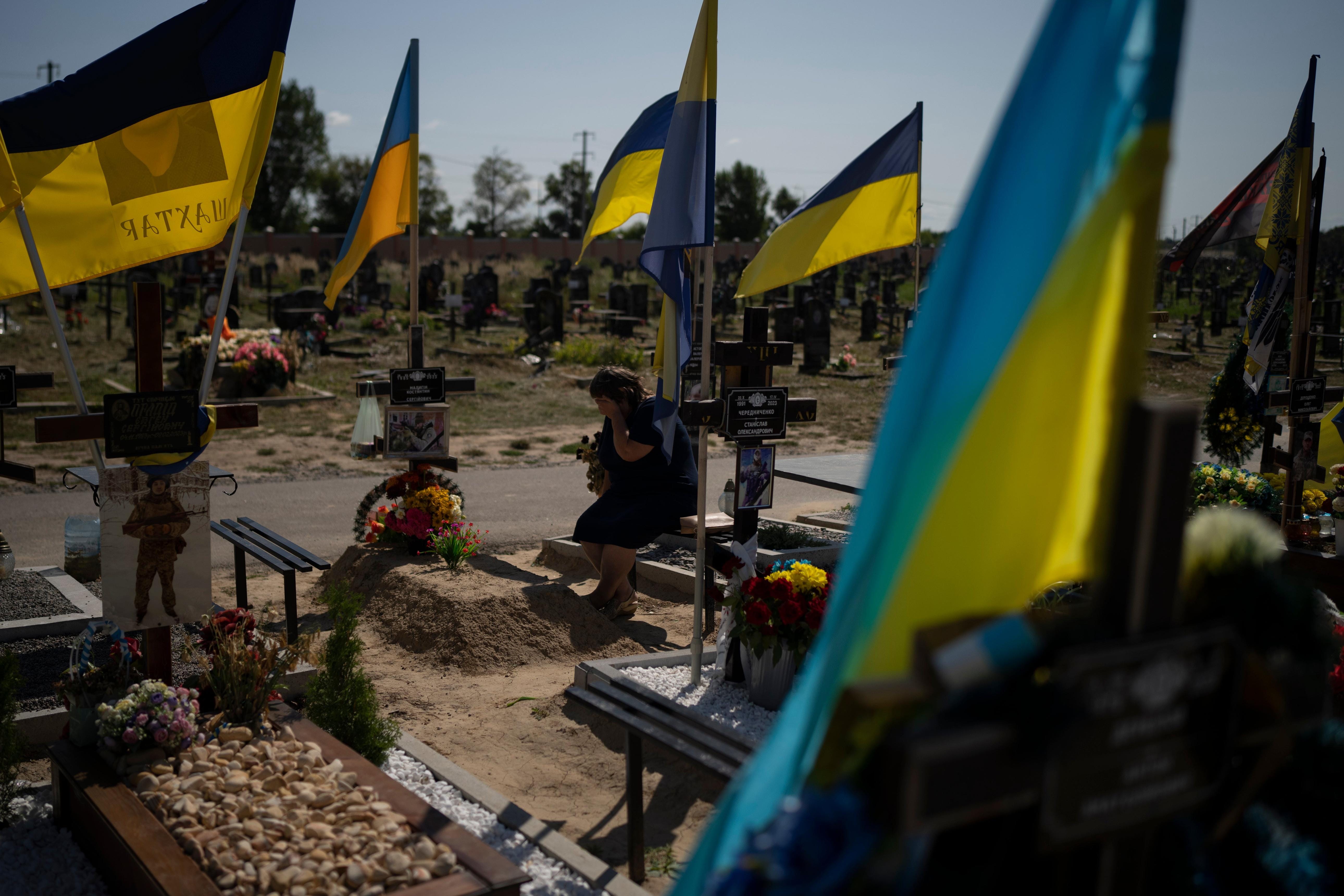
They are strangers connected by a catastrophe that has taught them the same language. This is sisterhood stripped of slogans and seminars. Not institutional sisterhood. Not ideological sisterhood. Something older and more visceral: “I know your pain because I have lived it. And if I can prevent you from living mine, I will”.
So, they protect other women’s men. Other women’s husbands. Other women’s brothers. Other women’s sons. And sometimes they do it with nothing more than their voices, their hands and their bodies.
Sabotage — or the Defense of Life?
From the perspective of military necessity, nationalism and the logic of total mobilization, every man prevented from entering the army is one soldier fewer. Resistance becomes obstruction. Obstruction becomes sabotage. And, pushed far enough, sabotage begins to resemble betrayal. That is the cold arithmetic of war.
But mothers operate according to a radically different arithmetic. Ukraine’s military sees manpower. A mother sees a son.
The state sees mobilization numbers. A mother sees a heartbeat.
The bureaucracy sees another eligible male. A mother sees the child somebody once carried, fed, protected, and stayed awake beside when he was sick.
The machinery of war asks: How many more men do we need? The mother asks, "How many more sons must disappear?"
Perhaps this is why these women who resist basification are so politically uncomfortable and excluded from mainstream discourse of femo-nationalism in Ukraine, which likes to donate for Rusoriz (a wartime slang for Russian-cutter).
Those unwelcome Mothers expose the moral contradiction that every prolonged war eventually tries to bury beneath euphemisms.
Armies require “personnel.” Mobilization requires “human resources.” Casualty reports count “losses.” But mothers stubbornly insist on translating the vocabulary of war back into the vocabulary of human life. Personnel are people. Human resources are sons. Losses are the dead. And behind every number is somebody who will wait for a door that will never open again.
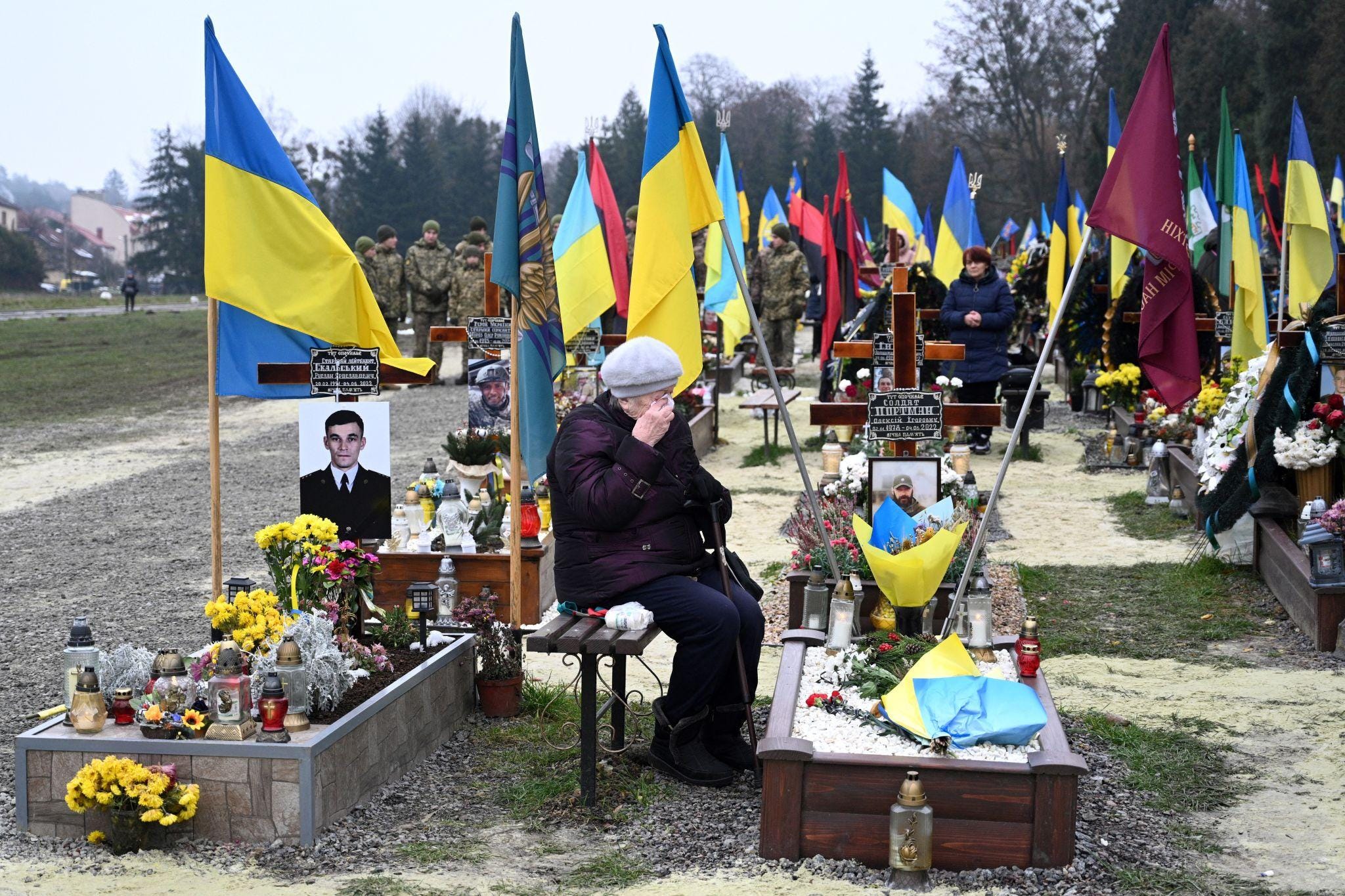
That is why I would call them the War Mothers.
Not because they glorify war. Quite the opposite. Because they know its price too intimately to romanticize it. Some have already surrendered to this war what no state can ever return. And when they try to save somebody else’s son, perhaps they are also trying — impossibly, desperately, beautifully — to save another mother from entering the same black emptiness.
In the militarized imagination, stopping the recruitment of one man may look like sabotage. In a mother’s imagination, it looks very different. It is one life saved.
And perhaps that is the oldest duty mothers have ever recognized: to protect the lives of children — even when the child belongs to someone else.
*If you find these posts valuable, please consider supporting my work with a subscription or a small donation. Your support helps me keep researching, writing, and sharing new ideas. Thank you!
Your work is superb.
Well done!